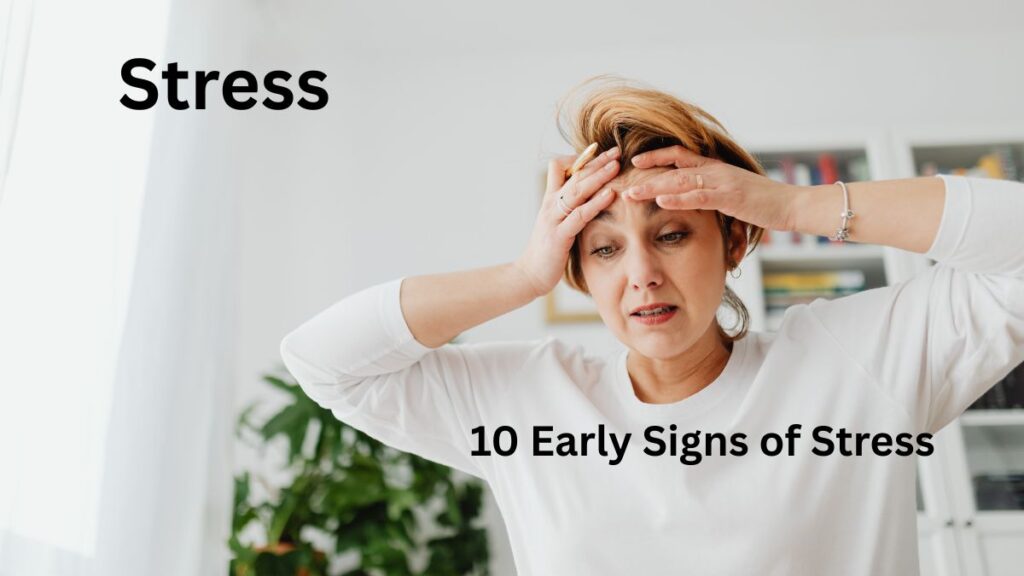
Recognise Stress Early Before It Affects Your Health and Happiness
Early Signs of Stress
10 Early Signs of Stress You Should Never Ignore
Learn the 10 early signs of stress that you should never ignore. Discover practical tips to manage stress naturally and improve your mental well-being.
10 Early Signs of Stress You Should Never Ignore
Stress has become an unavoidable part of modern life. Whether you are a student preparing for exams, a working professional managing deadlines, a business owner handling responsibilities, or a homemaker balancing multiple roles, stress can affect anyone.
A small amount of stress can motivate us to perform better. However, when stress becomes constant, it begins to affect our physical health, emotional well-being, relationships, and overall quality of life.
The biggest mistake people make is ignoring the early warning signs. Unfortunately, by the time they realise the seriousness of the problem, stress has already started affecting their health.
In this article, let’s understand the 10 early signs of stress and learn how to manage them before they become serious.
What Is Stress?
Stress is your body’s natural response to any challenge, pressure, or change. When you face a difficult situation, your brain releases stress hormones like adrenaline and cortisol to help you react quickly.
This response is useful in emergencies. However, if your body remains in a stressed state for weeks or months, it can begin to affect your mind and body negatively.
1. Constant Overthinking
Do you find yourself thinking about the same problem repeatedly?
Do you replay conversations in your mind?
Do you imagine negative situations that haven’t even happened?
Overthinking is often one of the earliest signs of stress. Instead of finding solutions, your mind keeps going in circles, increasing anxiety and reducing mental clarity.
What you can do:
- Write your thoughts in a journal.
- Focus only on problems you can control.
- Set aside a fixed “worry time” each day instead of worrying all day.
2. Difficulty Sleeping
Stress often affects sleep before anything else.
You may experience:
- Difficulty falling asleep
- Waking up frequently during the night
- Feeling tired even after sleeping
- Early morning awakening
Poor sleep and stress create a vicious cycle. Less sleep increases stress, and more stress further disturbs sleep.
What you can do:
- Maintain a fixed bedtime.
- Avoid mobile phones at least 30 minutes before sleeping.
- Practice deep breathing before bed.
3. Irritability and Short Temper
Do small things suddenly make you angry?
Do you react more strongly than usual?
Stress reduces emotional patience. Even minor issues may trigger frustration or irritation.
What you can do:
Pause before reacting.
Take a few slow breaths and respond calmly rather than emotionally.
4. Frequent Headaches
Tension headaches are one of the most common physical symptoms of stress.
The pain often feels like tightness around the forehead or back of the head.
If headaches become frequent, don’t ignore them.
Consult your doctor to rule out any medical causes.
5. Constant Fatigue
Do you feel tired throughout the day even without heavy physical work?
Mental stress consumes enormous energy.
Continuous worry keeps the brain active, leaving you mentally exhausted.
What you can do:
- Take short breaks during work.
- Stay hydrated.
- Maintain regular physical activity.
6. Difficulty Concentrating
When stress increases, your ability to focus decreases.
You may notice:
- Forgetfulness
- Poor concentration
- Frequent mistakes
- Difficulty making decisions
Your brain is busy dealing with stress instead of processing information effectively.
7. Loss of Interest in Daily Activities
One of the warning signs of prolonged stress is losing interest in activities that you previously enjoyed.
You may stop:
- Reading books
- Exercising
- Meeting friends
- Pursuing hobbies
This emotional withdrawal should never be ignored.
8. Digestive Problems
The mind and stomach are closely connected.
Stress can lead to:
- Indigestion
- Acidity
- Stomach pain
- Constipation
- Loss of appetite
- Increased eating
Healthy eating habits become even more important during stressful periods.
9. Muscle Tightness
Stress causes muscles to remain tense for long periods.
Common areas include:
- Neck
- Shoulders
- Back
- Jaw
Simple stretching exercises, walking, and relaxation techniques can help reduce muscle tension.
10. Feeling Hopeless or Emotionally Drained
Persistent stress can make you feel emotionally exhausted.
You may experience:
- Lack of motivation
- Feeling helpless
- Loss of confidence
- Negative thinking
If these feelings continue for several weeks or begin affecting your daily life, consider speaking with a qualified mental health professional.
Seeking help is a sign of strength, not weakness.
Simple Daily Habits to Reduce Stress
Managing stress does not always require major lifestyle changes. Small daily habits can make a significant difference.
Exercise Regularly
A 30-minute walk can improve mood and reduce stress hormones.
Practice Deep Breathing
Take slow, deep breaths for five minutes whenever you feel overwhelmed.
Stay Connected
Talk to trusted family members or friends. Sharing your feelings often reduces emotional burden.
Limit Screen Time
Constant exposure to social media and negative news can increase stress.
Eat a Balanced Diet
Healthy nutrition supports both physical and mental well-being.
Maintain a Daily Routine
A structured routine provides stability and reduces unnecessary stress.
When Should You Seek Professional Help?
You should consider seeking professional guidance if:
- Stress continues for several weeks.
- It affects your work or studies.
- You lose interest in everyday life.
- Your sleep remains disturbed.
- You feel emotionally overwhelmed most of the time.
- You find it difficult to cope on your own.
Early support can prevent stress from developing into more serious emotional or physical problems.
Conclusion
Stress is a normal part of life, but ignoring its warning signs can have long-term consequences. The earlier you recognise the symptoms, the easier it becomes to manage them.
Listen to your body. Pay attention to your emotions. Make time for rest, healthy habits, and meaningful conversations.
Remember, asking for help is not a sign of weakness—it is a positive step towards a healthier and happier life.
JivanMarg Insight
“Stress does not always begin with a major crisis. It often starts with small signs that we choose to ignore. Recognising these signs early gives us the opportunity to make better choices for our health, relationships, and future.”
JivanMarg – सही चुनाव, बेहतर जीवन।
Frequently Asked Questions (FAQs)
1. What are the first signs of stress?
Some of the earliest signs include overthinking, poor sleep, irritability, headaches, fatigue, and difficulty concentrating.
2. Can stress affect physical health?
Yes. Long-term stress can contribute to headaches, digestive problems, muscle tension, sleep disturbances, and increased risk of other health issues.
3. How can I reduce stress naturally?
Regular exercise, adequate sleep, deep breathing, healthy eating, limiting screen time, and maintaining strong social connections are effective ways to manage stress.
4. When should I seek professional help for stress?
If stress persists for several weeks, interferes with your daily life, or leaves you feeling persistently overwhelmed, it’s a good idea to consult a qualified healthcare or mental health professional.