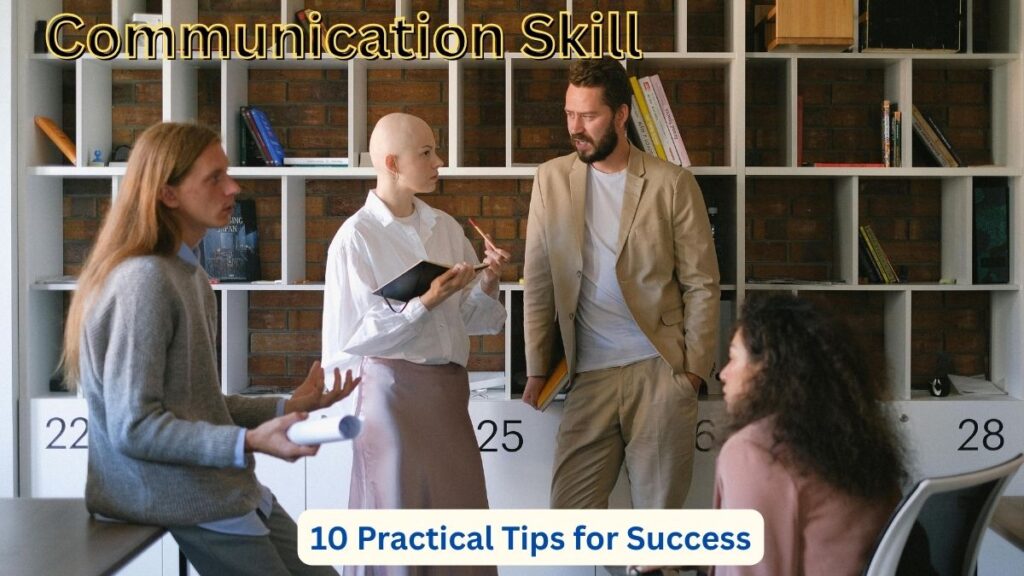
Communicate with Confidence, Build Better Relationships, and Achieve Greater Success
How to Improve Communication Skills
How to Improve Communication Skills: 10 Practical Tips for Success
Learn how to improve communication skills with 10 practical tips. Build confidence, strengthen relationships, and achieve personal and professional success.
How to Improve Communication Skills: 10 Practical Tips for Success
Communication is one of the most important life skills that every person should develop. Whether you are a student, a working professional, a business owner, or a homemaker, your ability to communicate effectively influences your relationships, career growth, and self-confidence.
Many people believe that communication means speaking fluent English or talking continuously. In reality, communication is much more than words. It includes listening, understanding, expressing ideas clearly, and responding respectfully.
A person with excellent communication skills often creates better opportunities, earns trust more quickly, and handles difficult situations with greater confidence.
The good news is that communication is a skill—not a talent. Anyone can improve it with regular practice.
In this article, you’ll learn ten practical ways to improve your communication skills and become a more confident communicator.
Why Communication Skills Matter
Good communication helps you:
- Express your thoughts clearly.
- Build stronger relationships.
- Improve self-confidence.
- Resolve misunderstandings.
- Perform better in interviews.
- Become an effective leader.
- Earn trust and respect.
Whether you are giving a presentation, attending a job interview, or talking to family members, communication plays a vital role in every interaction.
Common Communication Mistakes
Many people unknowingly make mistakes that reduce the impact of their communication.
Some common mistakes include:
- Speaking without listening.
- Interrupting others.
- Talking too fast.
- Using complicated language.
- Avoiding eye contact.
- Speaking without confidence.
- Not paying attention to body language.
The first step toward improvement is recognising these habits.
1. Become a Better Listener
Communication begins with listening.
Many people listen only to reply, not to understand.
Good listeners:
- Maintain eye contact.
- Allow others to finish speaking.
- Ask thoughtful questions.
- Pay attention to both words and emotions.
When people feel heard, they naturally trust you more.
2. Speak Clearly and Simply
Avoid using difficult words simply to impress others.
Simple language is more effective.
Instead of speaking quickly, slow down and pronounce your words clearly.
Your goal is not to sound intelligent.
Your goal is to be understood.
3. Improve Your Body Language
Research suggests that non-verbal communication has a significant influence on how messages are perceived.
Positive body language includes:
- Standing straight.
- Smiling naturally.
- Maintaining appropriate eye contact.
- Keeping an open posture.
- Avoiding unnecessary hand movements.
Your body often communicates before your words do.
4. Build Your Vocabulary
Reading regularly improves your vocabulary naturally.
You don’t need to memorise difficult words.
Instead:
- Read books.
- Read newspapers.
- Learn one or two new words every day.
- Use them naturally in conversation.
A rich vocabulary helps you express your ideas more effectively.
5. Think Before You Speak
Many misunderstandings occur because people react immediately.
Before speaking, ask yourself:
- Is it true?
- Is it helpful?
- Is it respectful?
- Is this the right time?
A few seconds of thoughtful thinking can prevent many unnecessary conflicts.
6. Practice Speaking Regularly
Confidence develops through practice.
Try:
- Speaking in front of a mirror.
- Recording your voice.
- Participating in group discussions.
- Giving short presentations.
- Talking with new people.
Every conversation is an opportunity to improve.
7. Learn to Ask Good Questions
Good communication is a two-way process.
Instead of dominating the conversation, ask meaningful questions.
For example:
- What do you think?
- How did you solve that problem?
- Can you explain that further?
Questions show interest and encourage meaningful discussions.
8. Control Your Emotions
Communication becomes difficult when emotions take control.
If you feel angry or upset:
- Pause.
- Take a few deep breaths.
- Respond calmly instead of reacting immediately.
Emotional control improves both communication and decision-making.
9. Develop Empathy
Empathy means understanding another person’s perspective.
Before responding, try to understand:
- How they feel.
- Why they think that way.
- What they might be experiencing.
People appreciate those who genuinely understand them.
Empathy strengthens both personal and professional relationships.
10. Practice Every Day
Like any skill, communication improves with regular practice.
Make it a daily habit to:
- Speak confidently.
- Listen attentively.
- Read regularly.
- Learn something new.
- Reflect on your conversations.
Small improvements every day lead to remarkable progress over time.
Communication Skills in Different Situations
During a Job Interview
- Speak clearly.
- Maintain eye contact.
- Listen carefully before answering.
- Give honest responses.
- Avoid memorised answers.
At the Workplace
- Be respectful.
- Communicate clearly.
- Clarify expectations.
- Provide constructive feedback.
- Appreciate others’ contributions.
With Family
- Listen patiently.
- Avoid unnecessary arguments.
- Express appreciation regularly.
- Discuss problems calmly.
Strong communication builds stronger families.
Daily Habits to Improve Communication
Follow these simple habits:
✔ Read for 20 minutes every day.
✔ Listen more than you speak.
✔ Practice speaking confidently.
✔ Smile during conversations.
✔ Avoid interrupting others.
✔ Learn one new word daily.
✔ Maintain positive body language.
✔ Reflect on how your conversations went.
Consistency creates confidence.
Common Myths About Communication
Myth 1: Good communicators are born.
Reality: Communication is a skill that anyone can develop.
Myth 2: Speaking more means better communication.
Reality: Listening is equally important.
Myth 3: Fluent English means good communication.
Reality: Clear thinking and respectful communication matter far more than language alone.
Benefits of Strong Communication Skills
As your communication improves, you’ll notice:
- Greater self-confidence.
- Better relationships.
- More career opportunities.
- Improved leadership abilities.
- Better teamwork.
- Increased influence.
- Fewer misunderstandings.
Communication is not just about talking.
It is about connecting with people.
Conclusion
Communication is one of the most valuable life skills you can develop.
Every meaningful relationship, successful career, and effective leader depends on the ability to communicate clearly and respectfully.
Remember, improving communication doesn’t require perfection.
It simply requires daily practice.
Start by becoming a better listener.
Speak with clarity.
Respect others.
Continue learning.
Over time, these small improvements will transform the way you connect with the world.
JivanMarg Insight
“Words have the power to inspire, encourage, heal, and build relationships. Before speaking, choose words that create understanding rather than misunderstanding. Better communication leads to better relationships, and better relationships lead to a better life.”
JivanMarg – सही चुनाव, बेहतर जीवन।
Frequently Asked Questions (FAQs)
1. How can I improve my communication skills quickly?
Practice active listening, speak clearly, maintain eye contact, read regularly, and participate in conversations every day. Improvement comes through consistent practice.
2. Why are communication skills important?
Strong communication helps build relationships, improve confidence, perform better in interviews, resolve conflicts, and succeed in both personal and professional life.
3. Can communication skills be learned?
Yes. Communication is a skill that improves with regular practice, feedback, and a willingness to learn.
4. Is listening more important than speaking?
Both are essential. However, effective communication begins with listening carefully so that you can understand before responding.
JivanMarg Quote
“Great communication is not about speaking the most. It is about helping others understand, feel respected, and build trust. Every conversation is an opportunity to strengthen relationships and make better life choices.”
JivanMarg – सही चुनाव, बेहतर जीवन।